Bluffline, Inc. is proud to announce the award of a $1.2 million Reconnecting Communities Grant from the U.S. Department of Transportation. This funding will support the Escambia Bay Waterfront Access Study, a transformative master planning initiative focused on restoring community connections to the waterfront. The grant will fund master planning, feasibility studies, and preliminary designs for a corridor that has long been severed from the neighborhoods it borders.
“This grant allows us to take meaningful steps toward fulfilling our mission of reuniting people with their environment and one another. By reconnecting Pensacola’s communities to the waterfront, we’re not only addressing decades of physical and social division but also creating pathways to opportunity, sustainability and equity for generations to come.” — T.S. Strickland, Director of Strategy for Bluffline, Inc.
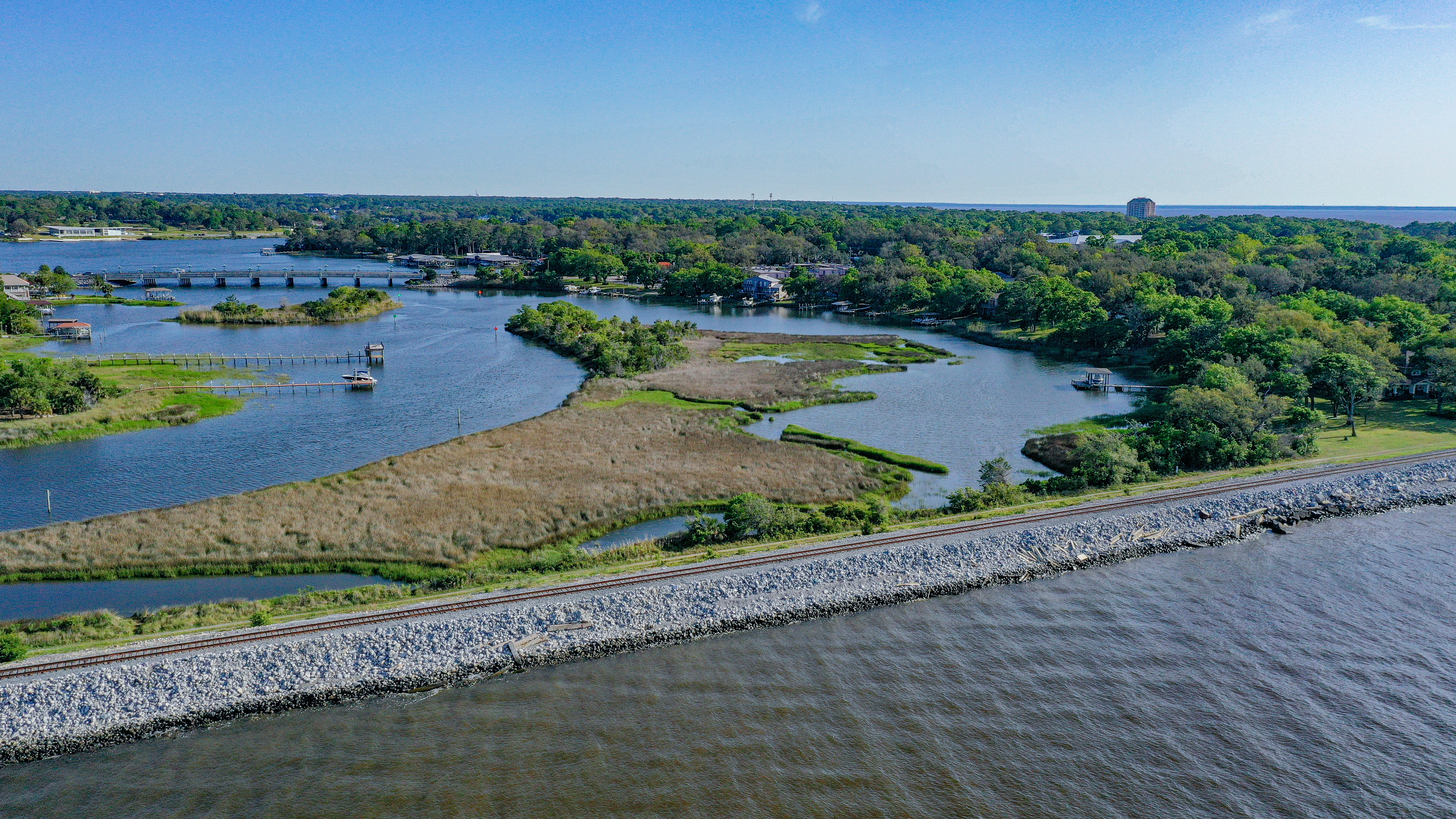
The study area spans from the University of West Florida (UWF) campus, in Ferry Pass, to Chimney Park, in the Bohemia neighborhood, and southward to Corry Station, in West Pensacola. Along this route, the Bluffline envisions creating multi-use paths, pedestrian overpasses, and a water transportation network to reconnect residents with Escambia Bay and essential resources.
Addressing Community Challenges
The neighborhoods targeted by the project struggle with a number of challenges, including high transportation insecurity, environmental burdens, economic challenges, and health disparities. More than half of those within the project area are considered “disadvantaged” by the federal government. Nearly 4,400 households lack access to a vehicle. Access to green spaces and recreational areas is severely limited, as well. Only 17.8% of Ferry Pass residents and 38.2% of West Pensacola residents live within a 10-minute walk of a park, according to the Trust for Public Land’s Parkserve database.
These disparities have drawn strong support from the city’s elected leadership. City Councilman Casey Jones, whose district encompasses much of the project corridor, emphasized the broader civic stakes:
“The Bluffline will play a critical role in advancing the City of Pensacola’s goals for equitable development, environmental sustainability, and economic resilience. It will provide safe, non-motorized transit options for all residents, including underserved communities, enhancing access to educational institutions, job centers and recreational spaces.” — City Councilman Casey Jones
The emphasis on underserved communities reflects the Reconnecting Communities program’s core mission — to heal the divisions that mid-century infrastructure decisions imposed on American neighborhoods.
Community-Driven Planning
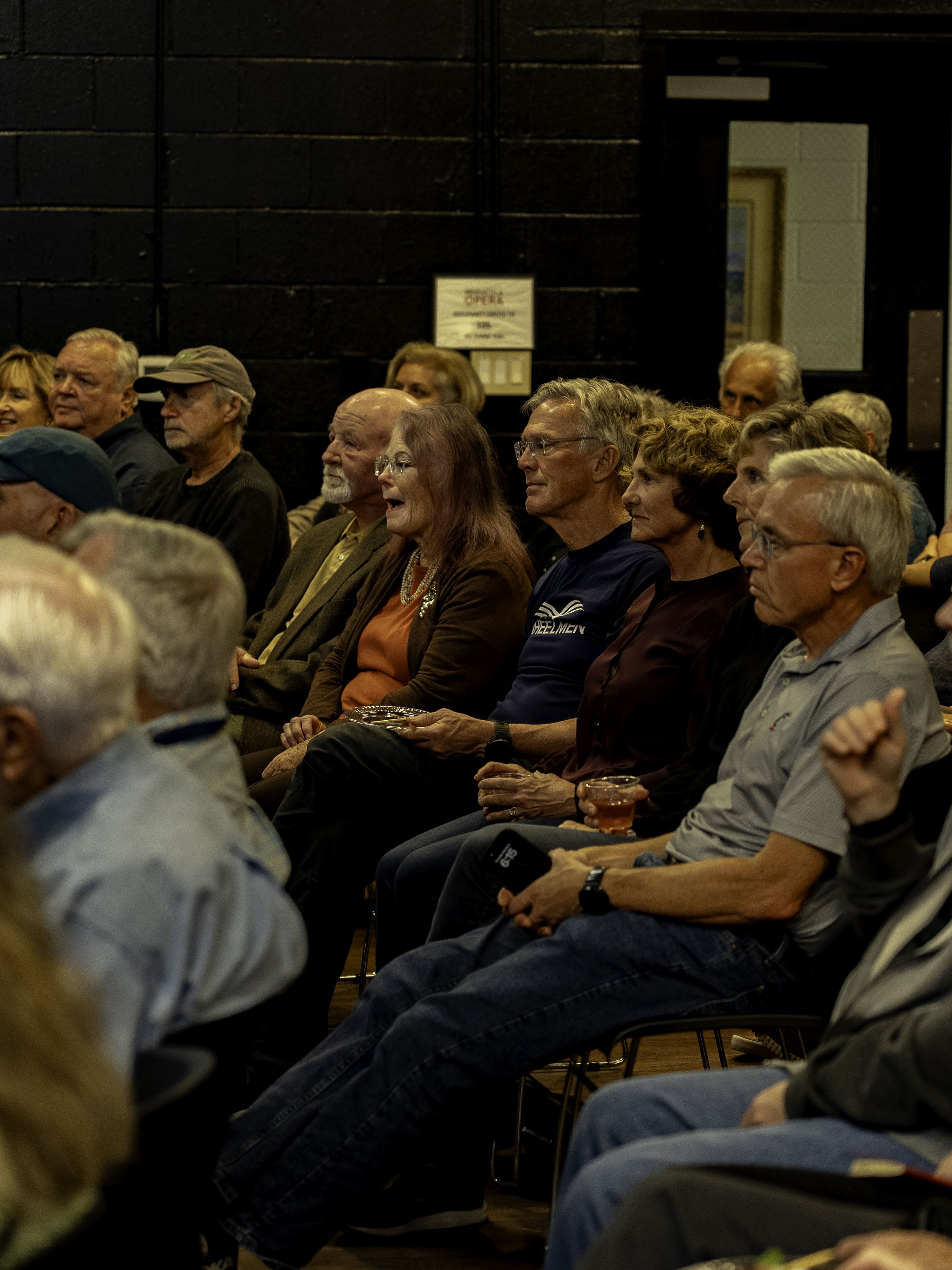
The initiative is grounded in a commitment to community engagement. Bluffline will collaborate closely with neighborhoods along the proposed route to ensure the project reflects the community’s needs and desires. This input will inform decisions on priority connections, design elements, and long-term goals, fostering a project that is both inclusive and impactful.
The University of West Florida, whose campus anchors the northern end of the corridor, is among the project’s key institutional partners. UWF President Dr. Martha Saunders pointed to the opportunity the project represents for students and researchers alike:
“Restoring access to the waterfront for nearby communities, many of which have been cut off by highway and rail infrastructure, would allow for improved access to UWF’s campus and create new opportunities for research, education, and recreation.” — Dr. Martha Saunders, President of the University of West Florida
That kind of institutional partnership — between a nonprofit, a research university, and the communities they serve — is central to Bluffline’s approach to the planning process.
Building on Broader Efforts
In addition to improving transportation access, Bluffline’s planning will align with ongoing Emerald Coast Utilities Authority (ECUA) projects to enhance environmental sustainability. ECUA Executive Director Bruce Woody called the grant “a significant opportunity to improve quality of life for Pensacola residents” that aligns closely with the authority’s own environmental goals.

The project also builds on Bluffline’s broader efforts, including its application last fall for a $20 million EPA Community Change Grant in partnership with Escambia County, the Escambia County School District, and Florida Power & Light. That proposal, still pending before the federal government, focuses on transforming Jackson Lakes into a 70-acre public park and greenway that would integrate seamlessly with the waterfront access project. Escambia County commissioners from both affected districts have voiced strong support, citing the project’s potential to lift communities that have long lacked investment.
“I’m grateful that we have people in our community that have continued to push to better our neighborhoods. This is a huge win for all our residents. The idea of having a more connected Pensacola that is walkable and provides for a more active lifestyle is encouraging. I’m excited to see what this project holds next for our community.” — District 4 Commissioner Ashlee Hofberger